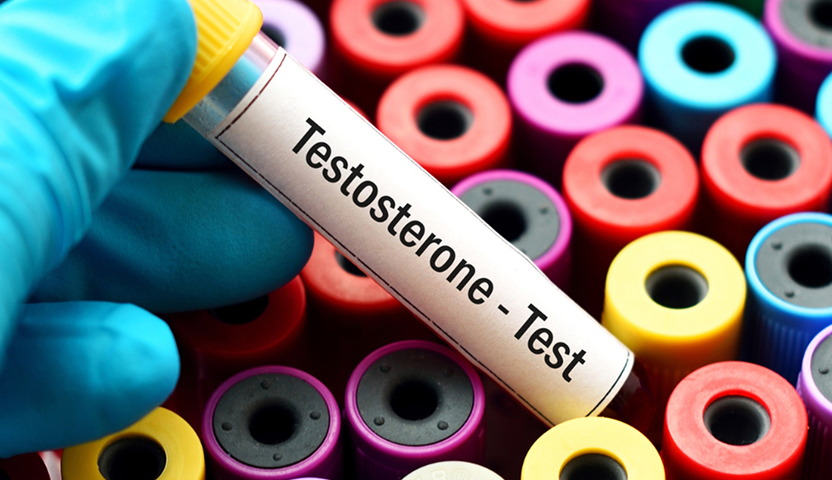
Despite the proven benefits of replacement therapy, only about 20% of patients with symptomatic low testosterone levels receive treatment. Let’s delve into the challenges patients face – from under-diagnosis to reluctant doctors – and explore the proven advantages of testosterone replacement therapy.
The Basics of Low Testosterone:
Testosterone deficiency primarily affects men over 40, leading to various symptoms such as sexual problems, physical issues like fatigue and loss of muscle mass, and mental disorders like anxiety and depression. In Canada, an estimated 1.7 million men suffer from symptomatic testosterone deficiency, but only a small percentage of these men are undergoing testosterone replacement therapy.
Challenges in Diagnosis:
Under-diagnosis is a significant hurdle, with routine screening not recommended for the general population. However, individuals with metabolic disorders, cardiovascular diseases, or chronic conditions may be at higher risk. At Port Moody Health we emphasize the importance of diagnosing based on free or bioavailable testosterone levels, tested twice, one month apart, in the morning and while fasting.
Prostate Cancer Concerns:
One major reluctance in prescribing replacement therapy is the perceived link between testosterone and prostate cancer. However, numerous studies contradict this belief, suggesting that low testosterone levels might even increase the risk of aggressive cancer. Urologists are urged to follow French recommendations, indicating that testosterone is not contraindicated for patients with a history of prostate cancer, provided certain conditions are met.
Cardiovascular Considerations:
Concerns about cardiovascular health have also deterred doctors from prescribing testosterone. While early 2010 studies raised alarms, more recent research suggests cardiovascular benefits. The European Society of Cardiology even advocates replacement therapy to prevent cardiovascular risk, highlighting the hormone’s potential positive effects on arterial health.
Patient Preconceptions:
One of the final obstacles is patient perception. Many wrongly believe that testosterone treatment can increase cancer risk, induce aggression, cause weight gain, hair loss, and unwanted body hair growth. Overcoming these misconceptions is crucial for patients to make informed decisions about their health.
Available Treatment Options:
Testosterone replacement therapies come in various formulations, including transcutaneous gels and injectables. It’s essential for patients to discuss with their healthcare providers to find the most suitable option based on individual needs and preferences.
Conclusion:
Despite the challenges, treating low testosterone levels is essential for improving a patient’s quality of life and general health. Communication efforts need to be intensified to raise awareness among both patients and doctors about the proven benefits of supplementation. Understanding the nuances of diagnosis, and addressing misconceptions are crucial steps in ensuring that individuals with low testosterone levels receive the care they deserve. At Port Moody Health we take a comprehensive approach to testosterone deficiency that includes targeted nutrition and lifestyle changes.