Why These Two Therapies Matter for Breast Cancer
Hyperthermia and high-dose intravenous vitamin C (IVC) are not alternatives to standard care. They are increasingly being studied as adjuncts alongside it, and both have meaningful peer-reviewed evidence specifically in breast cancer.
Hyperthermia in Breast Cancer
Locoregional hyperthermia (LRHT), heating tumor tissue to 39–45°C using external devices, has one of its longest evidence tracks in breast cancer, particularly for locally advanced and recurrent disease.
The landmark evidence: A pivotal European multicenter trial published in The Lancet (van der Zee et al., 2000) randomized patients with locally advanced breast cancer to radiotherapy alone vs. radiotherapy plus hyperthermia. The hyperthermia group achieved a complete response rate of 59% vs. 41% in the radiotherapy-alone group, a difference that was statistically significant and clinically meaningful.
The immunotherapy connection: A February 2025 Frontiers in Immunology review (PMC11906415) confirmed that hyperthermia converts immunologically "cold" tumors into "hot" ones by increasing tumor antigen release, enhancing T-cell trafficking into the tumor, and reducing immunosuppressive regulatory T cells. Triple-negative breast cancer (TNBC), the subtype with the fewest treatment targets and the poorest prognosis, is notoriously "cold" and resistant to standard checkpoint inhibitor immunotherapy. This makes the hyperthermia-immunotherapy combination of particular interest for TNBC, and active trials are exploring this.
The natural compound synergy: A 2026 PMC review (PMC12940534) confirmed synergistic anti-tumor effects when hyperthermia is combined with natural compounds including curcumin both inhibiting NF-κB, a master regulator of cancer cell survival. This is an area of active preclinical and early clinical investigation.
High-Dose Intravenous Vitamin C in Breast Cancer
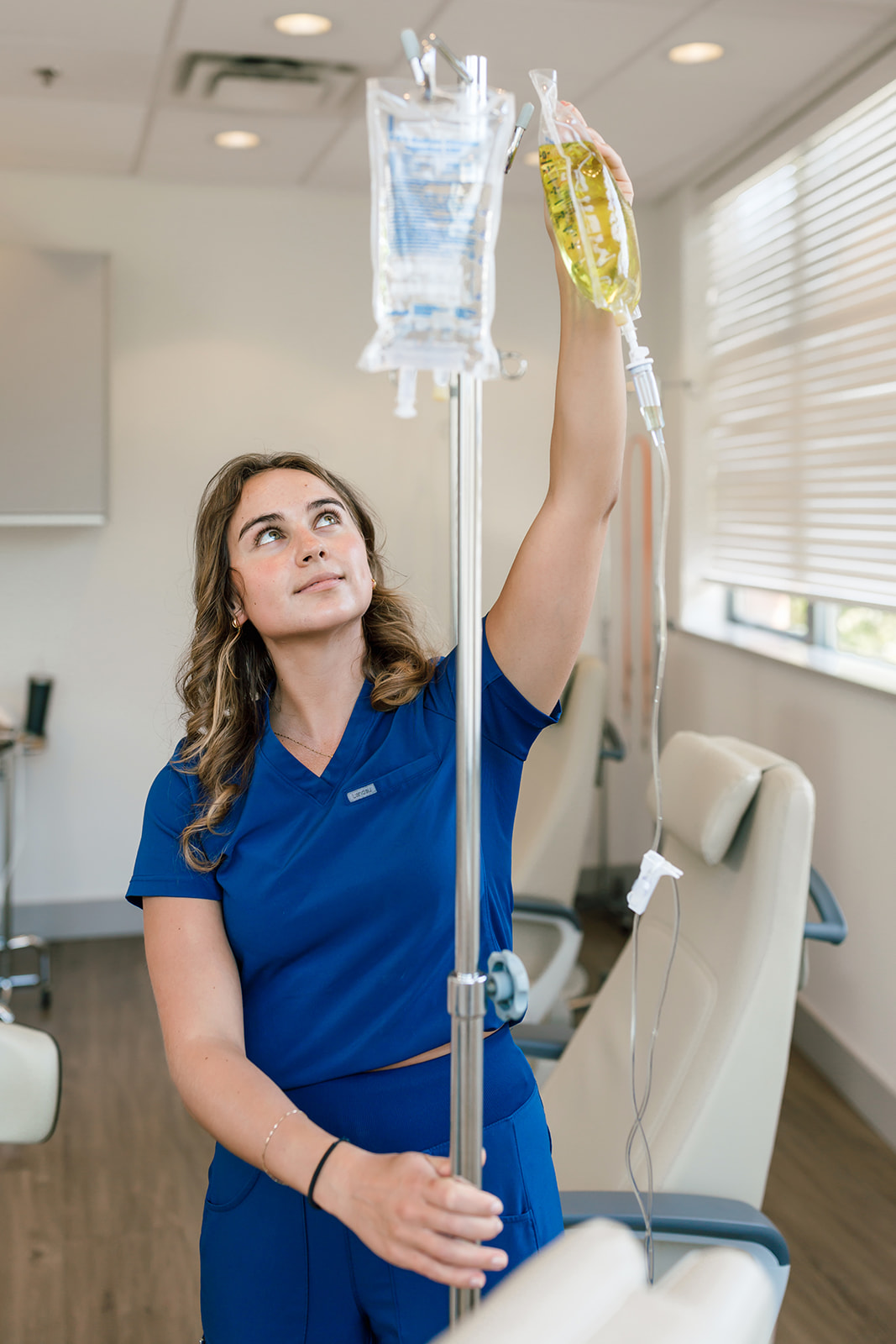
Standard oral vitamin C supplements max out at blood concentrations of approximately 0.2mM, well below any anti-tumor threshold. Intravenous administration bypasses intestinal absorption limits and can achieve plasma concentrations of 20–30mM, a 100-fold difference that produces entirely different biological effects.
The mechanism: At pharmacological plasma concentrations, vitamin C acts as a pro-oxidant rather than an antioxidant, generating hydrogen peroxide selectively inside tumor cells. Breast cancer cells are particularly vulnerable to this mechanism because they characteristically have low catalase activity, the enzyme that neutralizes hydrogen peroxide. Normal cells, with intact catalase, are largely unaffected.
The 2024 preclinical evidence: A 2024 PMC review (PMC11990253) found that nanoparticle-based photosensitizer delivery combined with IVC protocols showed significant tumor growth inhibition and immune microenvironment improvement in preclinical breast cancer models. Multiple Phase I trials combining IVC with standard breast cancer chemotherapy are now actively recruiting.
The epigenetic mechanism: A major 2026 review by Zhao et al. (Genes & Diseases, PMC12704205) confirmed that IVC acts as a cofactor for TET enzymes, DNA demethylases that reactivate silenced tumor suppressor genes. This epigenetic mechanism is now being studied in combination with epigenetic cancer drugs across multiple cancer types, including hormone receptor-positive breast cancer.
The Canadian relevance: IVC is available as an integrative oncology service at several Canadian cancer care centers including Port Moody Health. It is not covered under provincial health plans but is offered as an adjunctive therapy alongside standard oncology treatment at integrative practices.
What Patients Should Know
Both hyperthermia and IVC are adjunctive therapies. They are studied and used alongside standard care, not as replacements for surgery, radiation, chemotherapy, or targeted therapy. The evidence is at its most promising in earlier-stage disease, reinforcing the case that early detection creates the treatment window where these approaches have the most potential benefit.
If you are currently undergoing breast cancer treatment and want to discuss whether either of these approaches may be appropriate for your situation, we encourage you to bring this article, or the study itself, to your next appointment and start that conversation.
Key references: van der Zee J, et al. Lancet, 2000; PMC11906415 (Frontiers Immunology, hyperthermia and immunotherapy 2025); PMC12704205 (Zhao et al., IVC review 2026); PMC11990253 (nanoparticles and IVC in breast cancer 2024)