If you've spent any time online lately, you've probably seen berberine called "nature's Ozempic." It's a catchy phrase, and a bit of a stretch. We'll get to why.
Meet Berberine: the yellow-rooted shrub
Berberine is a plant compound found in barberry, goldenseal and Oregon grape. It's bright yellow, bitter, and has been used in traditional medicine for centuries. Today it's one of the most studied natural products for blood sugar support.
What the studies show
A 2024 review pooled 50 randomized trials with about 4,150 people who have type 2 diabetes. Berberine on its own was associated with lower fasting blood sugar and lower blood sugar after meals. It was also linked to lower LDL cholesterol and triglycerides. Earlier reviews found a similar pattern.
That sounds impressive, so here's the fine print:
- Most of the people in these trials already had type 2 diabetes.
- Many of the trials were small and short.
- The quality of the studies varied.
- We know much less about long-term use.
So berberine may support healthy glucose metabolism as part of a plan that includes food, movement and sleep. It's not a replacement for any of those.
About that "nature's Ozempic" label
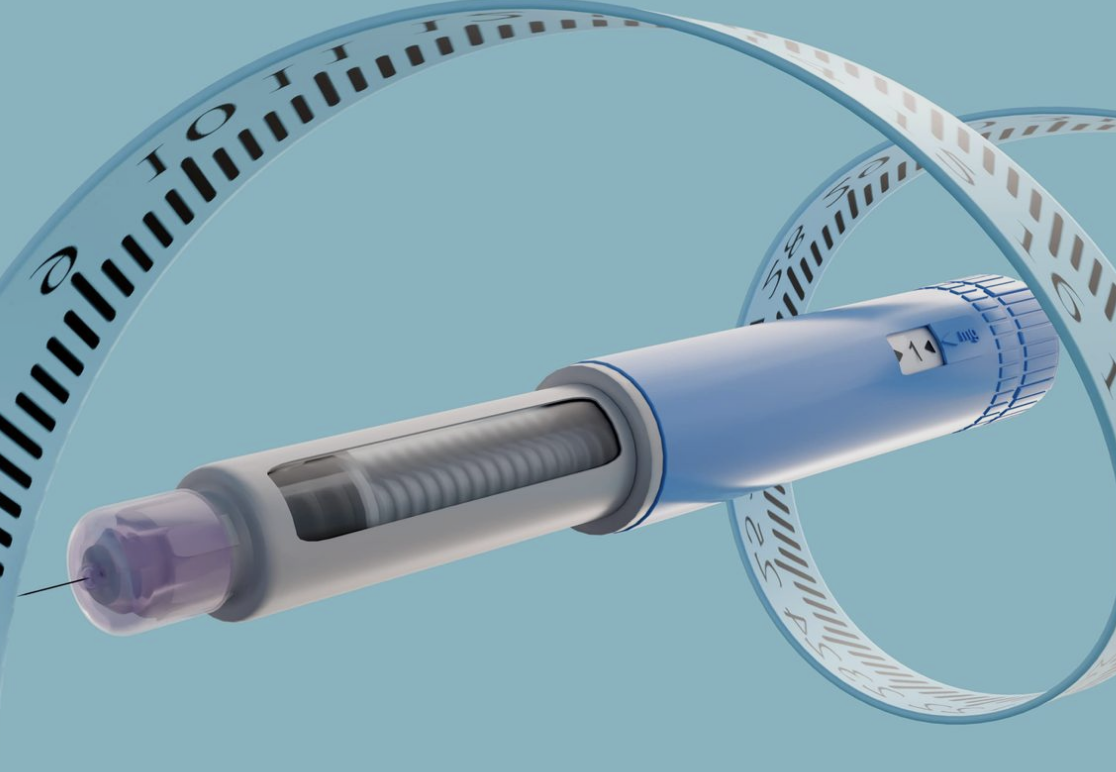
It's a marketing phrase, not a scientific one. Berberine is a different compound that works through different pathways, and the changes seen in trials are modest by comparison. If someone is selling it that way, be skeptical of everything else they say too.
Who should talk to us first
Berberine isn't for everyone, and some people should skip it.
- If you take diabetes medication. Berberine may lower blood sugar further, so your dose might need adjusting.
- If you take any prescription medication. It can interact with some drugs.
- If you're pregnant or breastfeeding, or thinking of giving it to a child. It isn't recommended.
The most common side effects are digestive: cramping, gas or loose stools. Starting low and taking it with food can help, but we'd rather you check with us before you start.
How to pick a good product
Look for an eight-digit NPN (Natural Product Number) on the label. That means Health Canada has reviewed the product and licensed it for sale. Beyond that, third-party testing and a clear list of what's in the bottle are good signs. Skip anything that promises dramatic results.
Supplements work best on top of a solid foundation, which is why our first move is usually food, sleep and movement.
If you're living with cancer or recovering from it, talk to your practitioner before making any changes to your treatment or supplement plan.
Quick answers
Is berberine the same as GLP-1 medication? No. They are different substances that work in different ways, and berberine hasn't been shown to give results like prescription GLP-1 drugs.
How long does berberine take to work? Trials vary, and many run for several weeks to a few months. Your practitioner can help you decide what's reasonable to expect.
Can I take berberine with metformin? Don't combine them without talking to your practitioner or pharmacist. Both may lower blood sugar.
Source: Wang J, Bi C, Xi H, Wei F. Effects of administering berberine alone or in combination on type 2 diabetes mellitus: a systematic review and meta-analysis. Front Pharmacol. 2024;15:1455534.
This article is for educational purposes only and is not medical advice. Natural health products aren't right for everyone. Talk to your healthcare practitioner before starting any new supplement.