Men are famously good at ignoring their health until something hurts. The doctor's appointment gets bumped for a work thing, the check engine light stays on, and somehow we're all surprised when the engine quits.
Movember is a good excuse to do something about that. Here's where we'd start.
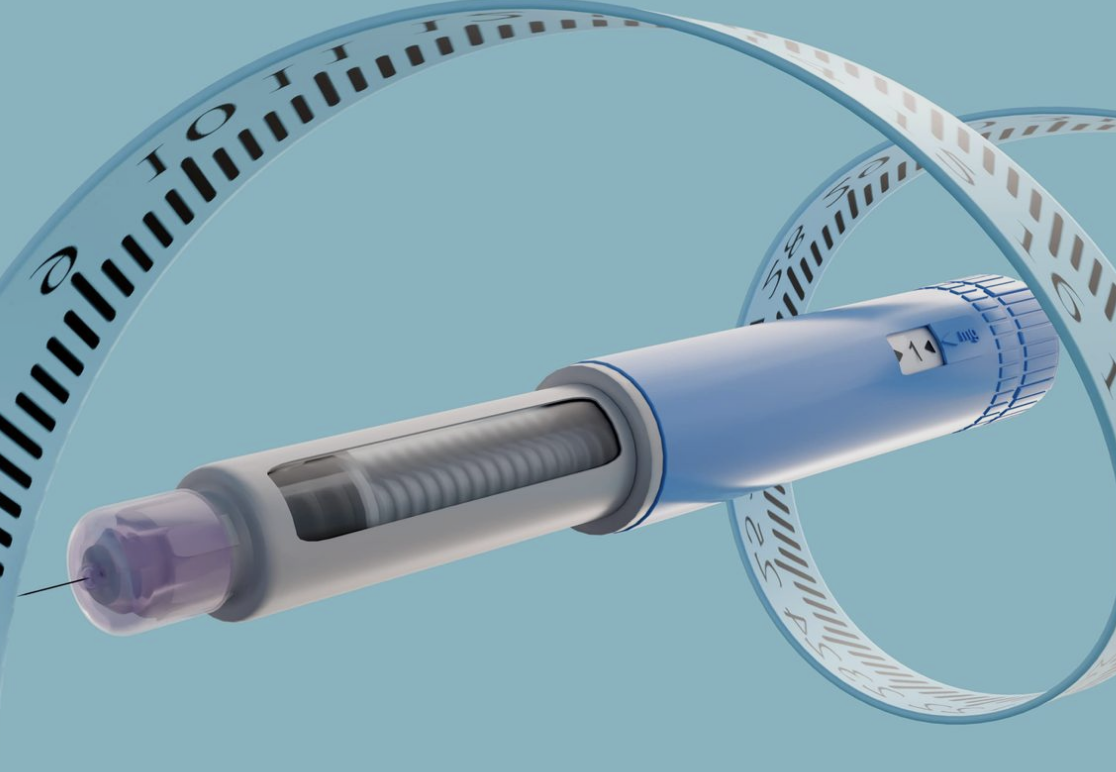
Start with a tape measure
Metabolic syndrome is a cluster of five related things. Having three or more generally counts. It's common in men over 40, and it's linked to heart disease and type 2 diabetes.
You can check a few of these at home or at a quick visit:
- Waist size: about 102 cm (40 inches) or more for most men. The cutoff is lower for some ethnic groups.
- Blood pressure: 130/85 or higher
- Fasting blood sugar: 5.6 mmol/L or higher
- Triglycerides: 1.7 mmol/L or higher
- HDL ("good") cholesterol: below 1.0 mmol/L
If you land on three or more, it's worth a conversation. If you're at one or two, you've got time to do something about it, and that's the good news.
Why this comes up with the prostate
Researchers have noticed links between metabolic syndrome and prostate conditions. The research is still developing, and we don't want to overstate it. But it's one more reason that waist size, blood pressure and blood sugar belong in the same conversation as your prostate.
The PSA test, and why people argue about it
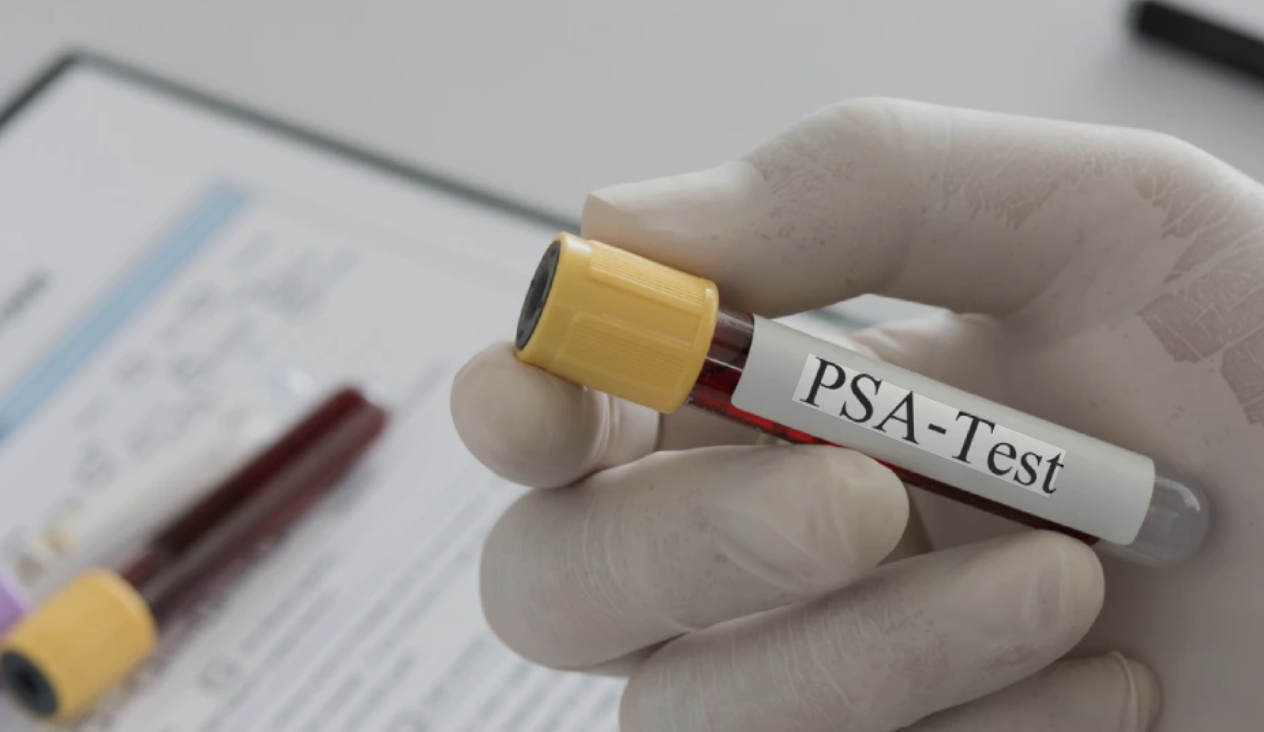
PSA is a blood test that can flag changes in the prostate. It sounds simple, but it isn't. A raised PSA can be caused by many things that aren't cancer, and chasing those false alarms can mean biopsies and worry. It can also find slow-growing cancers that might never have caused problems, which leads to treatment that some men didn't need.
That's why guidance isn't unanimous. The Canadian Task Force on Preventive Health Care has recommended against routine PSA screening for men at average risk, and its guidance is still under review. Other groups, including some urology associations, support an individual conversation that starts somewhere between age 45 and 55, depending on risk.
So there's no one right answer for everyone. There's the right answer for you, which you work out with someone who knows your history.
Questions worth bringing to your visit
- Has your father, brother or son had prostate cancer?
- Is your family of African or Caribbean ancestry? Risk is higher in these groups.
- Have you noticed a weaker stream, getting up at night to pee, or needing to go more often?
That first question matters for the whole family. If a close male relative has been diagnosed, tell your brothers and sons. It's an awkward text to send, but it could be an important one.
What you can do this month
Measure your waist. Get your blood pressure checked, which many pharmacies will do for free. Book the visit you've been putting off. You'll feel better having done it.
Quick answers
What is metabolic syndrome? A group of conditions, including a larger waist, higher blood pressure, raised blood sugar and abnormal cholesterol, that tend to show up together.
Should I get a PSA test? It depends on your age, family history and what matters to you. This is a decision to make with your practitioner.
Does a high PSA mean I have cancer? No. Infections, an enlarged prostate and even recent activity can raise it. It means more questions, not a diagnosis.
This article is for educational purposes only and is not medical advice. Talk to your healthcare practitioner about your own health.