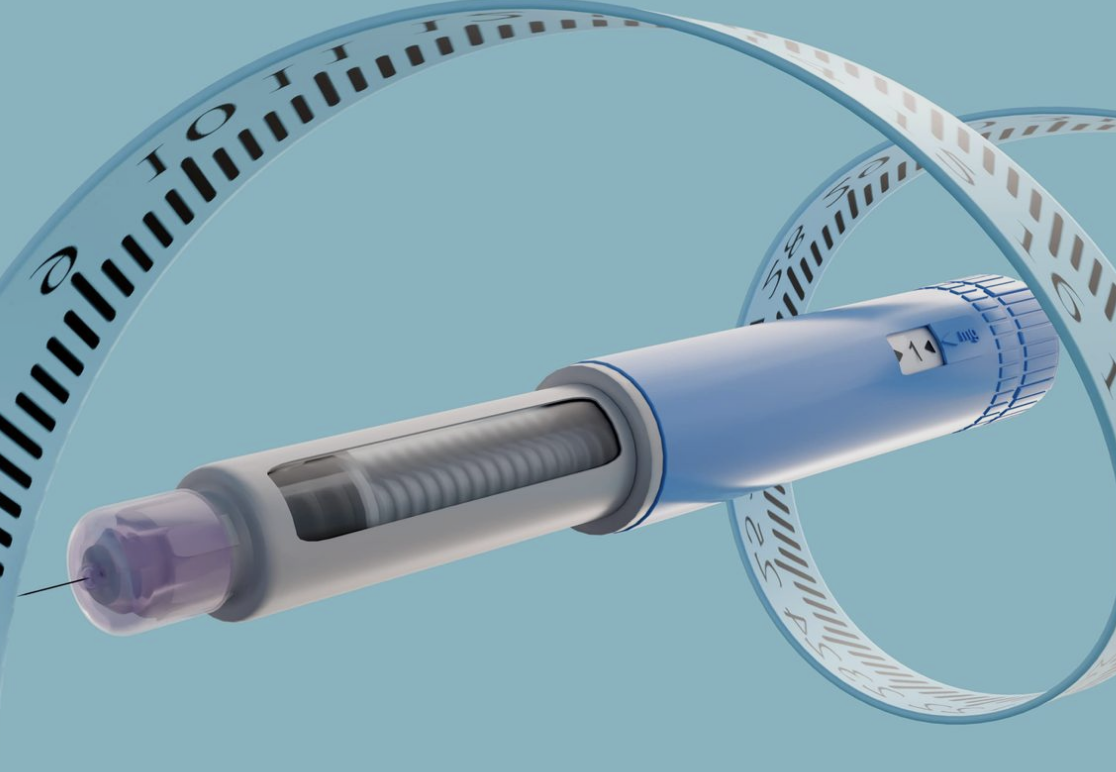
If you've picked up a newspaper or opened social media this year, you've seen the headlines. GLP-1 medications such as semaglutide (Ozempic, Wegovy) are said to do everything from helping people lose weight to cutting the risk of cancer.
That last claim got our attention, so we read the study behind it.
What the study looked at
Researchers at Case Western Reserve University used electronic health records to follow more than 1.6 million people with type 2 diabetes. None of them had a history of obesity-associated cancer when the study began. Some were prescribed a GLP-1 medication, some insulin, and some metformin. The team then compared how many people in each group went on to develop one of 13 cancers linked to excess weight. It was published in JAMA Network Open in 2024.
What they found
Compared with people on insulin, those on a GLP-1 had a lower risk of 10 of the 13 cancers.
There were a few exceptions. Postmenopausal breast cancer and thyroid cancer didn't show a lower risk. And when GLP-1 users were compared with people on metformin, there was a higher risk of kidney cancer in the GLP-1 group.
A later study in JAMA Oncology (2025) looked at adults with obesity and also reported lower overall cancer rates among GLP-1 users, though the details differ.
More studies needed
This is the part the headlines usually leave out. Both studies are observational. They show that two things happened together, not that one caused the other.
People who get prescribed a particular drug often differ in other ways. They may have lost weight, which on its own is linked to a lower cancer risk. They may see their doctor more often, or have different diets and activity levels. Researchers can adjust for some of that, but never all of it.
The researchers say more kinds of studies are needed, including randomized trials, where people are assigned to a treatment by chance. Those take years.
So what should you do with this?
For now, it's an interesting signal, not a prescription. GLP-1 medications are used for diabetes and weight management, and whether one is right for you is a decision for you and your prescriber, based on your whole health picture. This research isn't a reason on its own to start one, or to stop one you're already taking.
What the research does reinforce is something less exciting but well supported: staying at a healthy weight, being active and eating well are all linked to a lower risk of several cancers. If you want help with that, we're here.
If you're living with cancer, recovering from it, or have a family history, talk to your practitioner before making any changes to your treatment or supplement plan.
Quick answers
Can GLP-1 drugs prevent cancer? That hasn't been shown. The studies so far suggest an association, and randomized trials are still needed.
Should I ask for a GLP-1 to lower my cancer risk? Cancer risk alone isn't what these medications are prescribed for. Talk to your prescriber about your individual situation.
What are obesity-associated cancers? Cancers where excess body weight is a known risk factor, including colorectal, endometrial, pancreatic, liver, kidney and postmenopausal breast cancer.
Source: Wang L, Xu R, Kaelber DC, Berger NA. GLP-1 receptor agonists and 13 obesity-associated cancers in patients with type 2 diabetes. JAMA Netw Open. 2024;7(7):e2421305.
This article is for educational purposes only and is not medical advice. Talk to your healthcare practitioner about your own health.